Sustainability at London Lintels
Our Commitment to a Greener Construction Industry
The construction industry is one of the largest contributors to carbon emissions and resource consumption in the UK. As a lintel and building products supplier operating across the country, London Lintels recognises both the scale of that challenge and the responsibility it places on every business within the supply chain — including ours.
This article outlines our understanding of the environmental impact of our sector, the commitments we have made through our Environmental Policy Statement, and the practical steps we are taking to reduce our footprint as a business.
The Environmental Impact of the Construction Supply Chain
Construction and the manufacture of building materials account for a significant share of the UK’s total carbon emissions. Steel production, central to much of what we supply, is one of the most energy-intensive industrial processes in the world. Concrete manufacturing contributes substantially to global CO₂ output. Transport, packaging, and waste generated throughout the supply chain all add to the picture.
As a distributor of steel lintels, concrete products, and associated building materials, we sit within that chain. We don’t manufacture, but the products we source, the way we store and deliver them, the vehicles we operate, and the waste we generate all carry an environmental cost.
We believe that acknowledging this honestly is the first step toward improving it.
Our Environmental Policy: What We’ve Committed To
In June 2024, London Lintels formalised its environmental commitments through a signed Environmental Policy Statement, overseen by our Managing Director, Steve Barnett.
That policy sets out three core areas of focus:
- Greenhouse Gas Emissions — We monitor our carbon emissions and are committed to achieving carbon neutrality (Scope 1 and 2) by 2030.
- Energy Consumption — We are committed to exploring energy-saving technologies and improving energy efficiency across all operational areas on an ongoing basis.
- Waste — We aim to minimise waste sent to landfill, ensuring all waste streams are handled in line with current waste regulations.
Beyond these headline goals, our policy reflects a broader commitment: to develop our business in an environmentally conscious and sustainable way, to select resources ethically, and to ensure that every member of our team plays an active role in building a culture of environmental stewardship.
The policy is reviewed regularly and updated annually as a live working document that reflects where we are and where we need to go.
Reducing Our Carbon Emissions: The Steps We’re Taking
Our carbon neutral commitment covers Scope 1 emissions (direct emissions from sources we own or control, such as our vehicle fleet) and Scope 2 emissions (indirect emissions from the energy we purchase, such as electricity used at our sites).
For detailed sustainability data, including our Scope 1 and Scope 2 emissions, please read the latest Milbank Group Impact Report.
Here is what we are currently doing and where we are headed:
Fleet and Transport
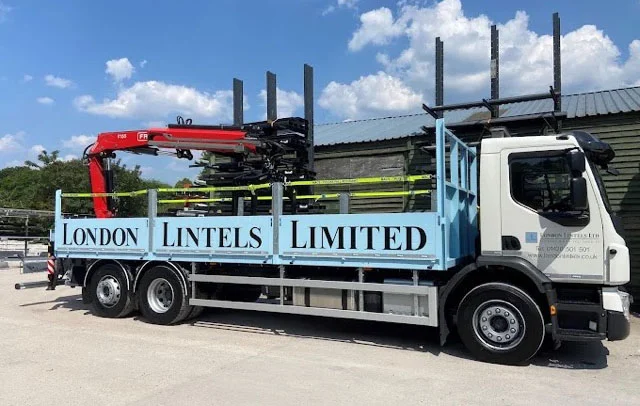
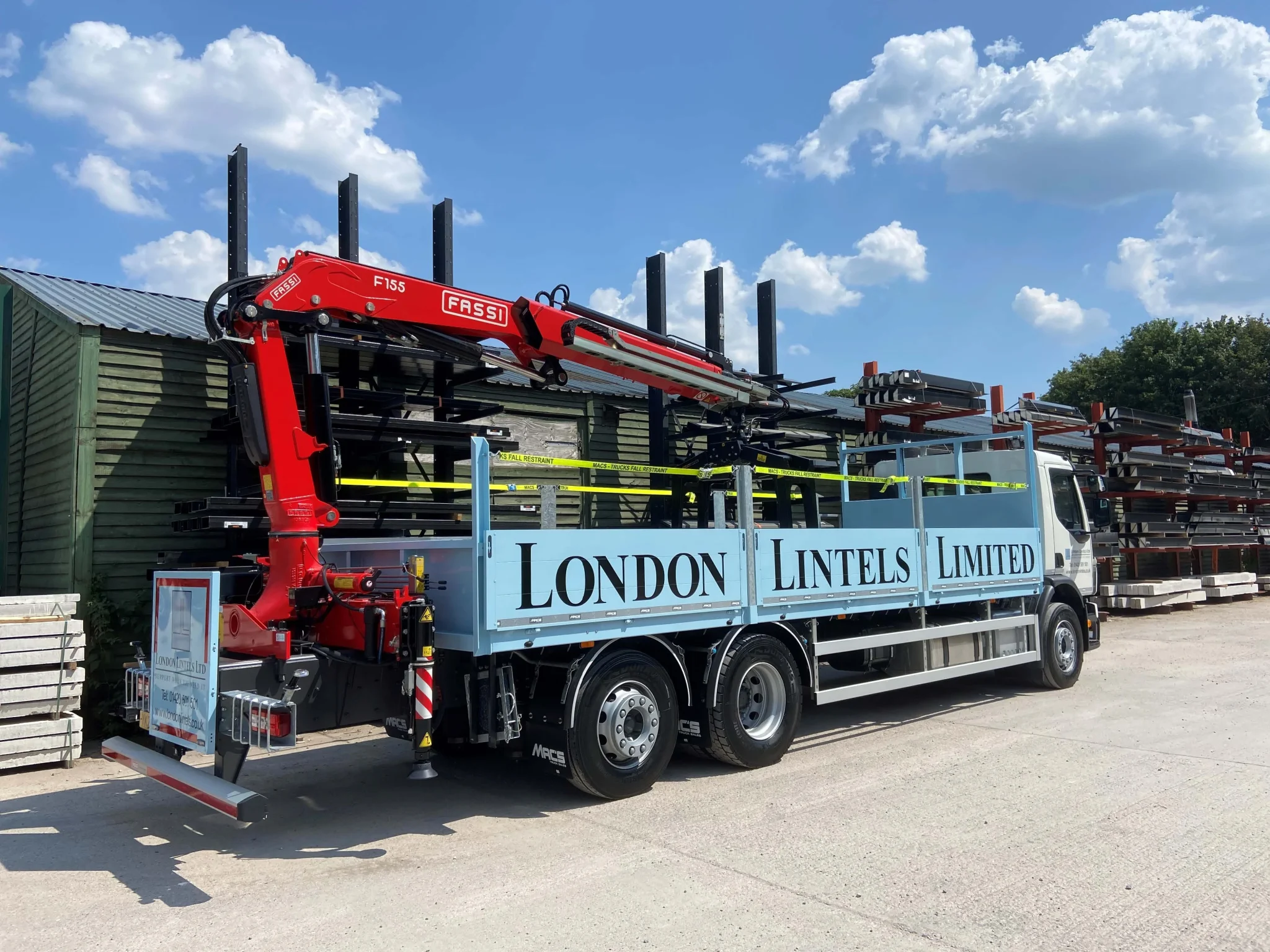
Our fleet currently comprises three 26-tonne rigids, two 7.5-tonne flatbeds, two 3.5-tonne flatbeds, and a 3.5-tonne LWB van, all presently running on diesel. That changes from June 2026, when we will transition the entire fleet to HVO (Hydrotreated Vegetable Oil). HVO is a renewable, drop-in diesel alternative that can reduce fleet emissions by up to 90% compared to conventional diesel. For us, that translates to an estimated saving of around 160tCO₂e per year — a significant step toward our carbon neutrality target by 2030.
To make this as straightforward as possible, we are installing an HVO bulk tank at our yard, reducing reliance on road filling and keeping our supply chain tight. Our HVO supplier is locally based and has guaranteed ethically sourced fuel, which matters to us, because sustainability doesn’t stop at our own gates.
Alongside the HVO transition, our company car fleet is moving to electric vehicles, and we will be rolling out an electric vehicle salary sacrifice scheme for our people, making it easier for the whole team to make greener choices in their own lives too.
Our approach to transport goes beyond fuel, however. We hold FORS Silver accreditation and operate a rigorous system for monitoring fleet and driver performance, using telematics technology including Quartix to support safe and efficient driving. All our trucks are fitted with DVS (Direct Vision Standard) systems to protect vulnerable road users.
Our Transport Manager works daily to optimise routes and minimise unnecessary mileage. Where deliveries fall outside our efficient reach, we work with local third-party hauliers to avoid long, empty or inefficient runs. We also monitor MPG and emissions per vehicle, using that data to identify hotspots and target improvements over time.
Efficient delivery planning is not only good for our customers, it directly reduces the fuel consumed and emissions generated per delivery. Our expansion into the South East with a new hub in Essex is one example of how operational decisions can have a sustainability dimension: shorter delivery routes mean lower emissions per job.
Energy Use at Our Sites
Energy use across our sites forms part of our Scope 2 emissions reporting, and it is an area we are actively working to improve.
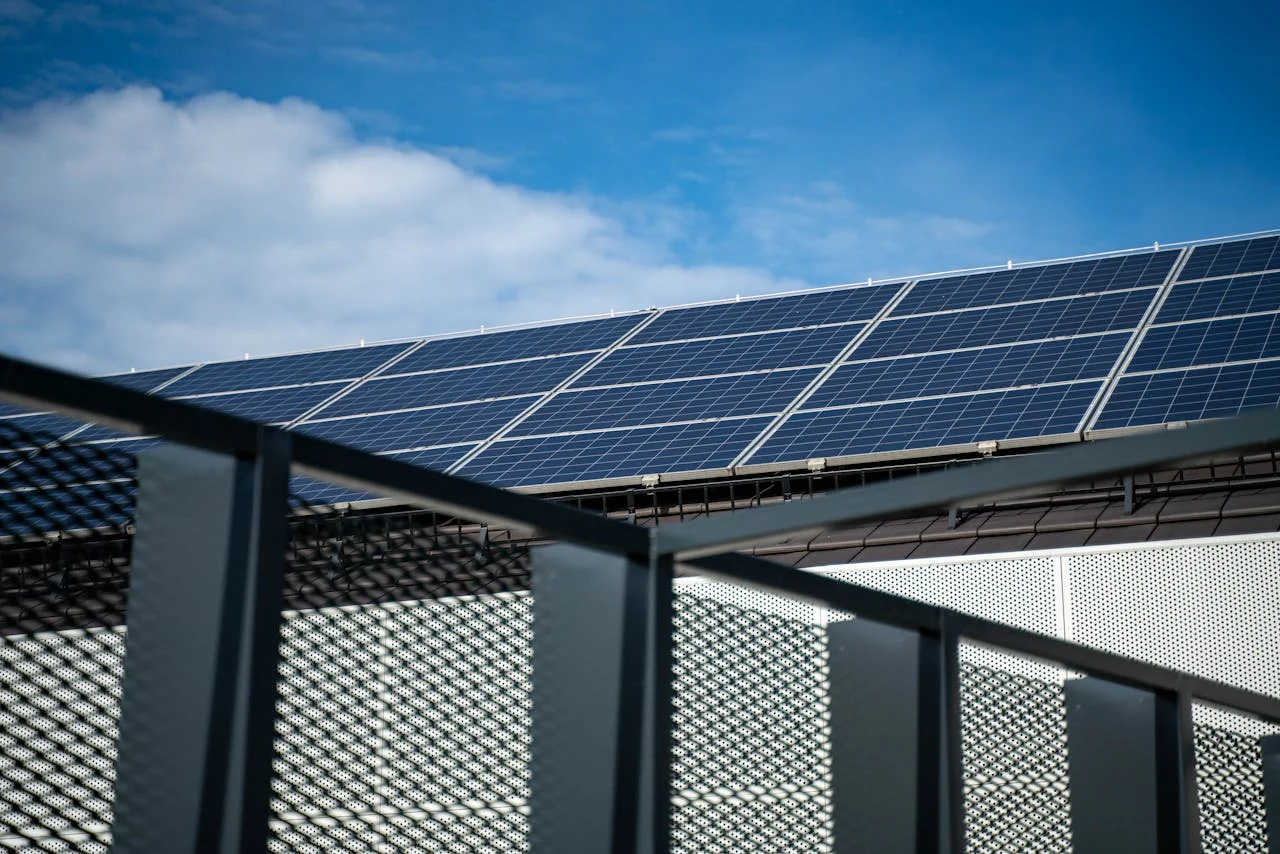
We are in the process of procuring a green electricity tariff, which will significantly reduce the carbon intensity of the power we use across our operations. Looking further ahead, we also have plans to install solar panels, a step that would move us toward generating a proportion of our own renewable energy on site.
Improving energy efficiency is an ongoing process. We continually review how energy is used across our operations, looking for opportunities to reduce consumption without compromising the service we provide.
Waste Reduction and Responsible Disposal
The construction supply chain generates substantial waste, from packaging materials and pallet wood to damaged or surplus stock. Our commitment is to ensure that as little of this as possible ends up in landfill.
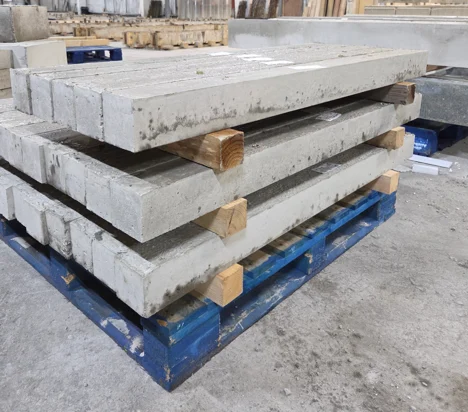
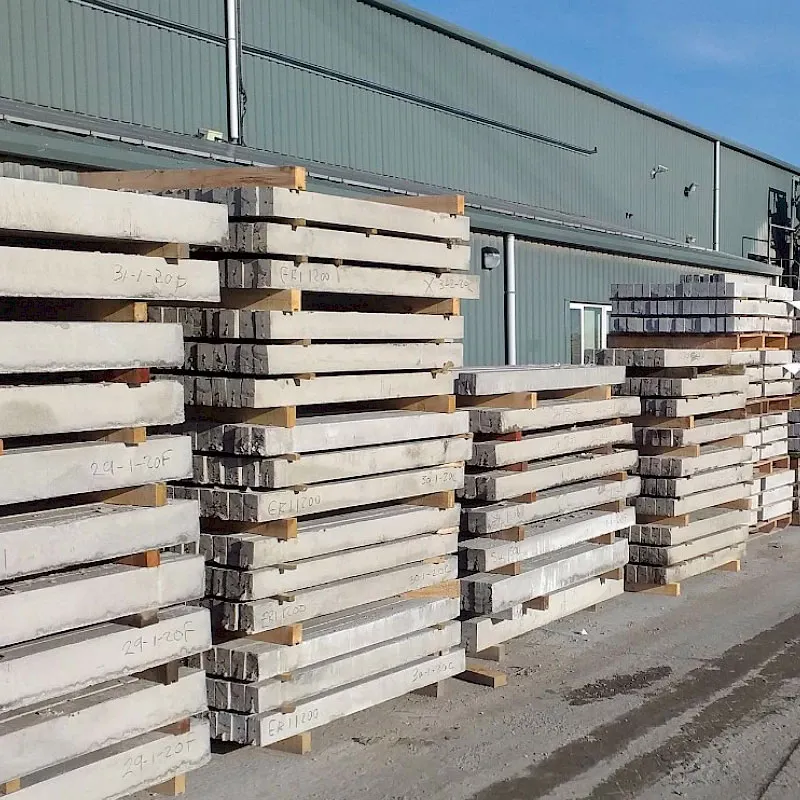
Packaging is an area where we have already made meaningful progress. The majority of our sales are lintels, and we have deliberately minimised the packaging used across these product lines. Timber bearers used during transport are returned on our vehicles and reused wherever possible, with only a minimal amount left with customers or disposed of. This closed-loop approach reduces both material waste and cost.
We monitor our waste output in detail as required under current regulations, and we operate a well-segregated recycling system across our offices and site. Stock management is another lever we actively use. By closely tracking market trends and evolving construction regulations, we maintain an inventory that reflects genuine demand, minimising obsolete or surplus stock that would otherwise go to waste.
We work to apply the waste hierarchy across our operations: reduce first, then reuse, then recycle (with landfill as a last resort).
Sourcing and Supplier Relationships
As a distributor, a significant part of our environmental impact sits upstream, in the products we choose to stock and the manufacturers we partner with.
We work closely with our key suppliers, including Catnic, Naylor, and Birtley, to understand and improve the environmental impact of the products we stock. A current focus area is Environmental Product Declarations (EPDs) and product carbon footprints. A number of products in our range now carry specific EPDs, giving a verified, standardised measure of their environmental impact across their lifecycle.
The next step is to use this data to provide customers with a total carbon footprint report, from cradle to grave, for the products they purchase from us. This will give our customers the information they need to make informed specification decisions and support their own sustainability reporting.
Where possible, we look to support manufacturers who share our commitment to reducing the environmental impact of their products and processes. The ACS L1 Stainless Steel Lintels we stock, for example, are manufactured from Grade 1.4301 austenitic stainless steel with high recycled content, a small but meaningful example of how product specification choices can support more sustainable outcomes.
Our People: Building a Culture of Environmental Awareness
Sustainability is built through the day-to-day actions and decisions of every person in the business.
Our Environmental Policy commits us to providing education and training to ensure all employees are environmentally aware and empowered to make a positive impact. That means everything from understanding how individual behaviours affect our overall footprint, to encouraging team members to raise ideas for improvement.
As part of Milbank Group, we benefit from a collaborative approach to sustainability that extends across the whole organisation. A cross-company Green Team brings together sustainability champions from each group business to share knowledge, coordinate initiatives, and support one another on the challenges we all face. One practical output of this has been the development of a group sustainable procurement dashboard, a shared resource through which ideas for more sustainable day-to-day purchasing, such as ethically sourced paper, are discussed and adopted consistently across the group.
This year, we also have plans to roll out Climate Fresk training for our entire team. Climate Fresk is a globally recognised workshop that builds a shared understanding of climate science and its causes, helping participants connect the dots between everyday actions and wider environmental impact. Our aim is for every person at London Lintels to come away from it with a clearer sense of why this matters and what they personally can do.
We believe that a genuine culture of environmental stewardship, rather than compliance for its own sake, is what will drive lasting change.

Looking Ahead: Our Path to Carbon Neutrality by 2030
Our commitment to achieving carbon neutrality by 2030 requires a clear plan, consistent measurement, and incremental progress year on year.
We are currently using Normative, a leading carbon accounting platform, to formally measure and report our Scope 1, 2, and 3 emissions. This is our first year of structured reporting, and a key priority is establishing a robust baseline from which we can build a clear carbon neutrality roadmap, identifying the areas of our operations where emissions reduction efforts will have the greatest impact.
Our target is to achieve carbon neutrality by 2030, with a primary focus on Scope 1 and 2 operational emissions. As our understanding of Scope 3 emissions (those generated across our wider supply chain and by customers using our products) develops, we will set targets to address these too, building a more complete picture of our total impact.
Accountability is built into this process at the highest level. As part of Milbank Group, we report sustainability performance quarterly as part of board reporting, ensuring these commitments are tracked and owned at a leadership level. The group also produces an annual People & Planet Report covering sustainability efforts across all group companies, which is publicly available, a commitment to transparency that we take seriously.
We will continue to review our Environmental Policy Statement annually, update our approach as new technologies and best practices emerge, and hold ourselves accountable to the commitments we have made.
Why This Matters to Our Customers
Increasingly, sustainability is not just an internal concern, it is a factor in procurement decisions, planning requirements, and the expectations of developers, contractors, and end clients.
If you are working toward BREEAM credits, meeting net zero targets on a development, or simply looking for a supply partner who takes these issues seriously, London Lintels is committed to supporting you.
A growing number of our customers carry out sustainability assessments on their supply chain and require regular carbon reporting from their suppliers. We welcome this. These frameworks help sharpen our own thinking and drive improvements that benefit everyone. In response, we engage our own supply chain on EPDs, delivery methods, and whole-life product impacts, cascading sustainability considerations down through the supply chain rather than treating them as purely internal concerns.
We are also active members of industry bodies including the Builders Merchants Federation, where we contribute to and learn from wider sector conversations about sustainability standards, best practice, and emerging regulation. Staying close to regulatory developments ensures we are always positioned to offer our customers the most compliant, appropriate, and sustainable products available.
Working Together Toward a More Sustainable Industry
No single business will solve the environmental challenges facing the construction industry alone. But every business that takes its responsibilities seriously, sets measurable goals, and acts on them contributes to meaningful change.
We are committed to playing our part — as a responsible employer, a considered supplier, and an active participant in driving better standards across our sector.
To find out more about our products, or to discuss how we can support your next project, get in touch with our team.
Meet Our Team
Meet the people behind London Lintels. From sales and accounts to transport and yard operations, our experienced team is dedicated to delivering outstanding service, expert support, and reliable deliveries across the construction industry.
Environmental Policy
At London Lintels Limited (LLL), we aim to continually reduce the environmental impact of our operations.
Performance against our Environmental Policy statement is reviewed regularly and the statement is updated annually.
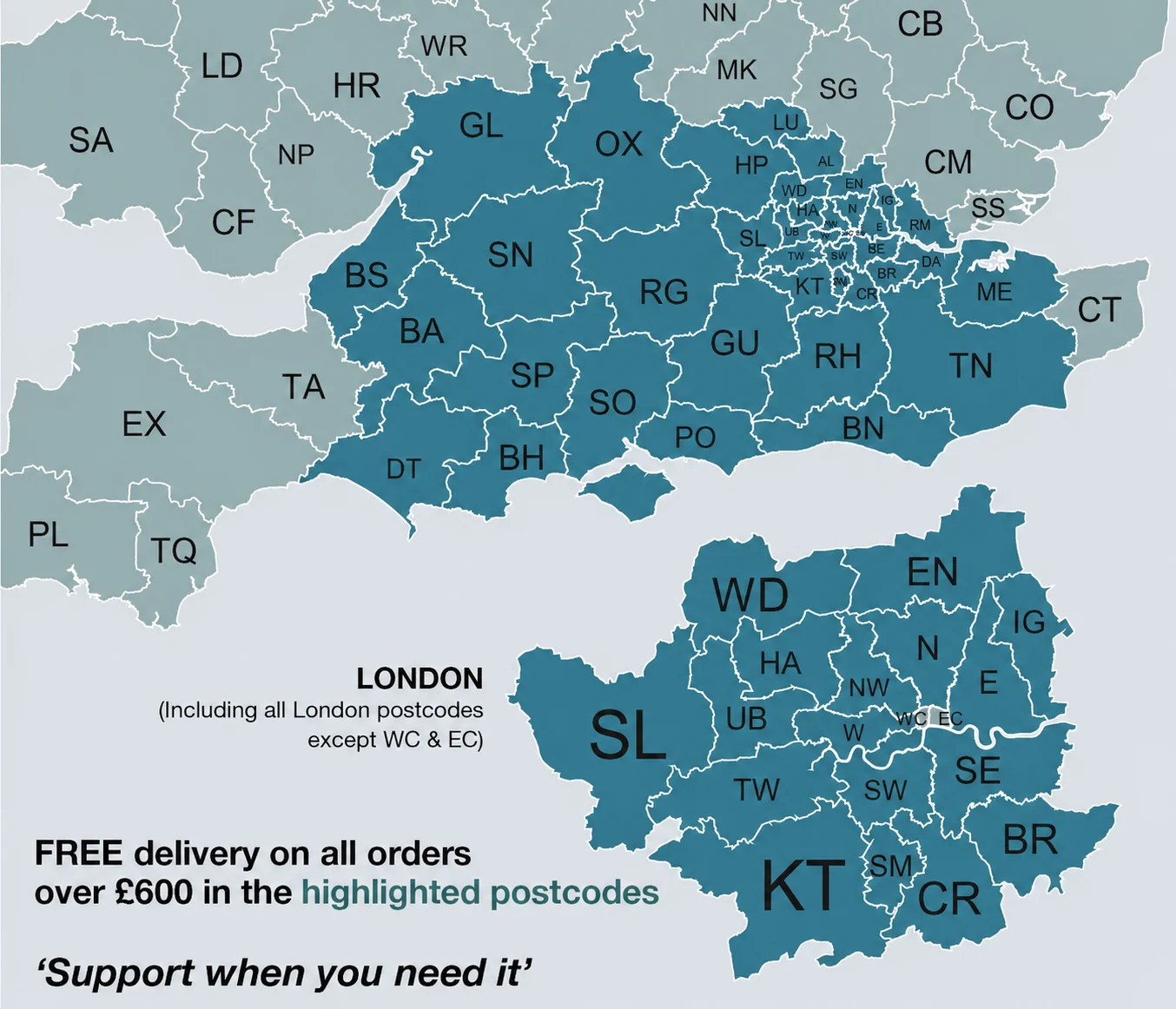
Delivery Area
FREE delivery on all orders over £600 in the
highlighted postcodes
(Including all London postcodes except WC & EC)
For deliveries out of the highlighted areas - please call for delivery costs