
ACS L1 Stainless Steel Lintels

An ACS L1 stainless steel lintel is a standard-duty L-section angle lintel designed to support single-leaf masonry, typically the external leaf of a cavity wall, over small structural openings.
It is manufactured from grade 1.4301 (304) austenitic stainless steel and is used in low-load applications such as window and door openings in domestic construction.
ACS L1 lintels are corrosion-resistant, compliant with UK masonry standards, and require a minimum 150mm bearing at each end.
Shop our range of ACS L1 Lintels online
London Lintels are proud to stock a range of ACS L1 Stainless Steel Lintels for delivery across the UK.
Need an ACS L1 Lintel? Request a quote today
View and shop our ACS L1 Stainless Steel Lintels Range Online
ACS Single Leaf Lintels are engineered to support the external leaf of cavity walls in low-load applications, delivering strength, durability and full compliance with UK masonry standards.
Manufactured from Grade 1.4301 austenitic stainless steel and tested to BS EN 845-2 and BS EN 846-9, these lintels offer reliable performance and corrosion resistance.
Available in 150mm increments with fast 2–4 day lead times, they’re a trusted choice for builders and specifiers alike.
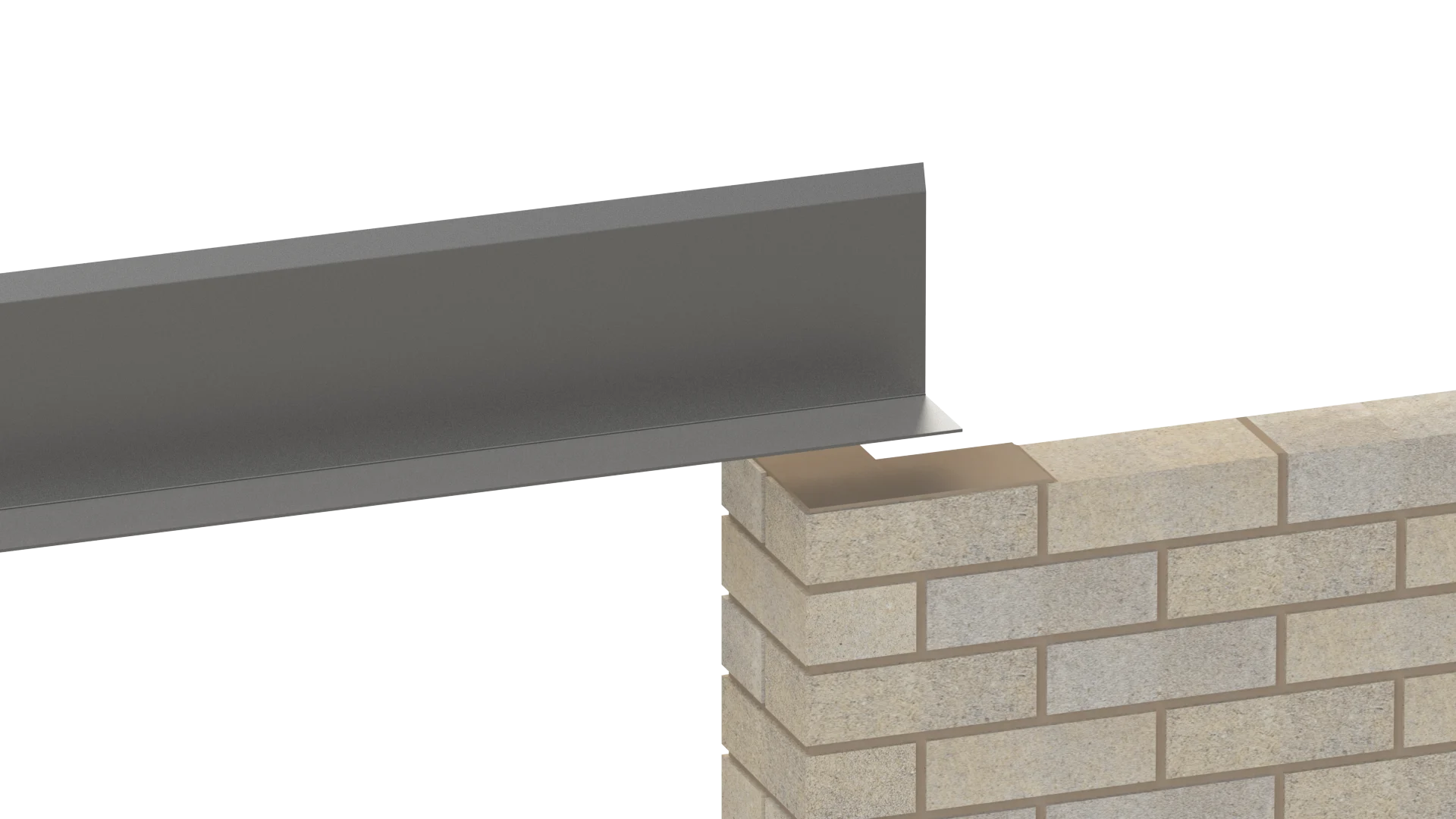
What Is an L1 Lintel commonly Used For?
ACS L1 steel lintels are used to support:
- The outer leaf of cavity wall construction
- Brick or block external masonry
- Small window openings
- Door apertures
- Meter boxes and service penetrations
They are not designed to carry both leaves of a cavity wall. Where full cavity support is required, a channel (C-type) lintel should be specified instead.
Technical Specifications
ACS L1 lintels are manufactured and tested to:
- BS EN 845-2 – Masonry ancillary components
- BS EN 846-9 – Load testing of lintels
- PD 6697 – Masonry structure recommendations
- UKCA / CE / UKNI marking
Material
- Grade 1.4301 (304) stainless steel
- Austenitic structure for strength and corrosion resistance
- High recycled content
- Suitable for exposed external environments
Standard Dimensions
- Lengths: 600mm to 3000mm
- Supplied in 150mm increments
- Section heights: 88mm to 215mm
- Minimum bearing: 150mm each end
View and download the ACS Lintels Technical Data Sheet
Why Stainless Steel Lintels Matter in the UK
The UK climate exposes external masonry to persistent moisture, freeze–thaw cycles and, in many areas, airborne salts. Stainless steel offers improved durability under these conditions, reducing the risk of long-term corrosion-related issues such as staining, expansion cracking and premature replacement.
For developments focused on longevity and performance, stainless steel lintels provide a durability-led solution.
ACS L1 Load Span Table
Below is a simplified load table for commonly specified sizes (uniformly distributed load).
View and download our full lintel comparison charts
| Lintel Length | Section Height | Total UDL (kN) | Weight/Metre (kg) |
| 600-1200mm | 88mm | 3.4kN | 2.90 |
| 1350-1500mm | 131mm | 4.6kN | 3.58 |
| 1650-2100mm | 167mm | 6.2kN | 4.16 |
| 2250-3000mm | 215mm | 11.5kN | 4.93 |
Always verify loading requirements against project-specific conditions.
London Lintels supplies ACS L1 Lintels in standard increments from 600mm to 3000mm for fast UK delivery.
How Much Bearing Does an ACS L1 Lintel Need?
An ACS L1 steel lintel requires a minimum of 150mm end bearing on each side.
The lintel should be:
- Fully bedded on fresh mortar
- Installed level
- Properly supported during construction
Insufficient bearing can reduce structural capacity and compromise compliance
How Do You Install an ACS L1 Lintel?
Correct installation ensures structural performance and long service life.
Key Installation Steps
- Provide at least 150mm end bearing.
- Bed the lintel on fresh mortar.
- Install a DPC/cavity tray above the lintel.
- Maintain correct cavity detailing.
- Install wall ties at maximum 450mm centres.
- Provide temporary support until masonry has cured.
Even though stainless steel can resist a level of corrosion, good moisture management practices should always be followed.
Stainless Steel vs Galvanised Lintels
What Is the Difference?
| Feature | Stainless Steel (304) | Galvanised Steel |
| Corrosion resistance | Inherent throughout material | Protective coating only |
| Longevity | Very high | Dependent on coating integrity |
| Suitable for exposed use | Yes | Limited in harsh environments |
| Risk of rust staining | Very low | Possible over time |
Galvanised lintels rely on a zinc coating. Once damaged or worn, corrosion can develop. Stainless steel provides corrosion resistance throughout the full material thickness, making it better suited to long-term external exposure. In addition, stainless steel also forms a transparent self-healing layer to counteract any surface damage.
Availability & Supply
ACS L1 stainless steel lintels are available in standard lengths from 600mm to 3000mm in 150mm increments.
London Lintels maintains stock from 900mm upwards, supporting builders, developers and merchants with:
- Fast nationwide delivery
- Competitive trade pricing
- Reliable stock availability
- Technical support
For specification guidance or bulk supply enquiries, the team can assist with selecting the correct lintel type for your project.
Why Choose London Lintels?
Selecting a compliant lintel is essential — but so is choosing a reliable supplier. London Lintels stocks the full range of ACS L1 stainless steel lintels in standard sizes, providing dependable UK-wide delivery and technical support to ensure the right specification for each project.
For builders and specifiers seeking corrosion-resistant, standards-compliant lintels with consistent availability, London Lintels is a trusted UK source.
Frequently Asked Questions
What is an ACS L1 lintel?
An ACS L1 lintel is a stainless steel L-section angle lintel designed to support the outer leaf of a cavity wall over small openings in low-load applications.
What load can an ACS L1 steel lintel carry?
Depending on span and section height, ACS L1 lintels carry uniformly distributed loads from 3.4kN up to approximately 11.5kN. Please refer to the ACS L1 Lintels Technical Data Sheet for further information.
Can ACS L1 lintels corrode?
Grade 304 stainless steel provides strong corrosion resistance. While no material is completely immune in extreme conditions, stainless steel significantly reduces the risk of corrosion compared to galvanised alternatives. For aggressive environments, as defined in PD6697, Grade 316 stainless steel should be used.
What bearing is required for an L1 lintel?
A minimum of 150mm bearing at each end is required.